What Is Bell’s Palsy?
Bell’s palsy is a condition involving sudden weakness or paralysis of the facial muscles, typically affecting one side of the face. It is believed to involve inflammation or irritation of the facial nerve, which controls facial expression, blinking, and certain aspects of speech and swallowing.
Symptoms may include facial drooping, difficulty closing the eye, altered taste, facial numbness, or sensitivity to sound. Onset is often abrupt, which can feel alarming for those affected.
The Early Recovery Phase
In the weeks and months following onset, many people experience partial or full improvement. Conventional care may include medications, eye protection, and time. For some individuals, facial strength returns steadily and symptoms resolve.
However, recovery is not always linear, and improvement can plateau.
Lingering or Delayed Symptoms (Months to Years Later)
For others, symptoms may persist or evolve long after the initial episode, sometimes one to five years later or more. These experiences are common but often under-discussed.
People may notice:
-
Residual facial weakness or asymmetry
-
Tightness or pulling sensations in the face or jaw
-
Involuntary facial movements or synkinesis (muscles activating together)
-
Jaw discomfort or TMJ-like symptoms
-
Headaches or neck tension
-
Changes in facial sensation
-
Emotional distress related to facial changes
These lingering effects can be frustrating, particularly when symptoms persist beyond the initial recovery period.
Why Symptoms Can Persist
The facial nerve is complex and slow to heal. Even after nerve regeneration, muscle coordination and neuromuscular signaling may remain altered. Scar tissue, muscle guarding, and compensatory tension patterns can develop over time, contributing to ongoing discomfort or dysfunction.
Because of this, some people continue to seek supportive therapies well after the initial diagnosis.
How Acupuncture May Support Bell’s Palsy Recovery
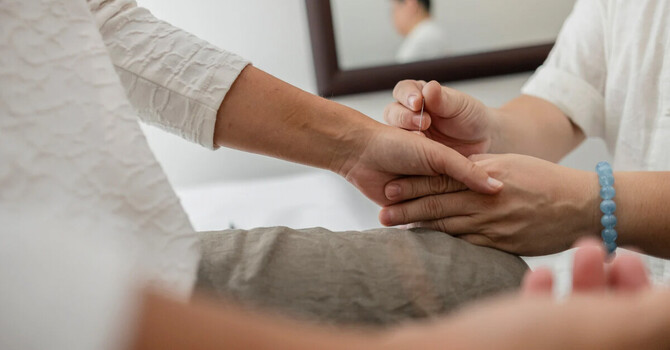
Acupuncture is often used as a complementary approach during both early recovery and long-term phases of Bell’s palsy.
From a traditional and modern perspective, treatment may focus on:
-
Supporting nerve signaling and circulation
-
Reducing muscle tension and guarding
-
Encouraging balanced muscle activation
-
Addressing associated neck, jaw, or headache patterns
-
Supporting overall nervous system regulation
Some individuals explore acupuncture months or years after onset, particularly when lingering symptoms affect comfort, function, or quality of life.
A Gradual, Individualized Process
When addressing long-standing symptoms, progress is often gradual. Treatment plans are typically individualized and may involve a series of visits rather than a single session. The goal is support and functional improvement, not a quick fix.
Considering Your Options
If you are exploring complementary options for Bell’s palsy recovery or lingering facial nerve symptoms, acupuncture may be one supportive approach to consider. In my practice, treatment is approached conservatively and individualized, with attention to both the facial muscles and the broader nervous system.
While progress can be gradual, many people hope to notice some degree of change within the first few visits. In general, a short series of treatments is often enough to help determine whether acupuncture is a good fit. If it is going to be helpful, we would typically expect to see some signs of progress within the first three visits, even if symptoms are long-standing.

Katrena Haney
Contact Me