Midlife doesn’t have to mean slowing down, but it does mean listening differently. For many women, energy and mood start to fluctuate long before menopause officially begins. One week feels powerful and clear; the next feels heavy or unmotivated. These shifts aren’t just emotional, they’re physiological.
How Hormones and Movement Connect
Estrogen plays a major role in how the body uses energy and builds muscle. When it fluctuates, workouts can start to feel harder, recovery can slow, and motivation can be inconsistent. Exercise that once gave a “high” might suddenly feel draining. It’s not weakness; it’s chemistry. Lower estrogen affects serotonin, cortisol, and even the way muscles repair after activity. That’s why movement and mood often change together during perimenopause and menopause.
Where Acupuncture Fits In
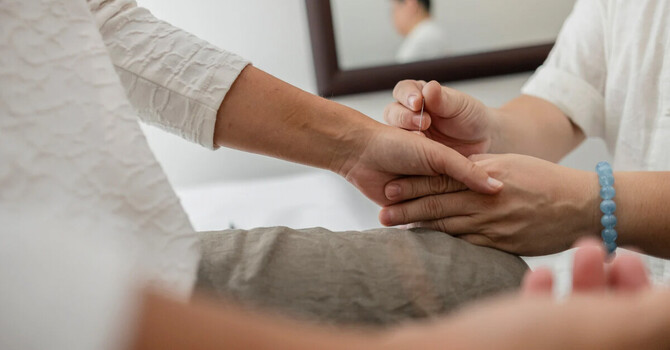
Acupuncture supports this transition by calming the stress response and improving circulation. Helping to regulate hormones naturally. It doesn’t replace movement, acupuncture can help you recover from overtaxing movement. Many women find they can maintain or return to strength training, walking, or yoga with more energy and less post-workout fatigue. By supporting nervous-system balance, acupuncture also helps:
- Reduce mood swings and irritability
- Improve sleep quality for better recovery
- Ease joint stiffness and inflammation
- Stabilize motivation and focus
Finding the Right Kind of MovementDuring this stage, intensity isn’t everything, consistency and adaptability are. Many women notice that high-intensity workouts (like daily HIIT or long runs) start to feel draining instead of energizing. That’s not a sign of weakness, it’s your body asking for a smarter rhythm.
If You Already Exercise Regularly
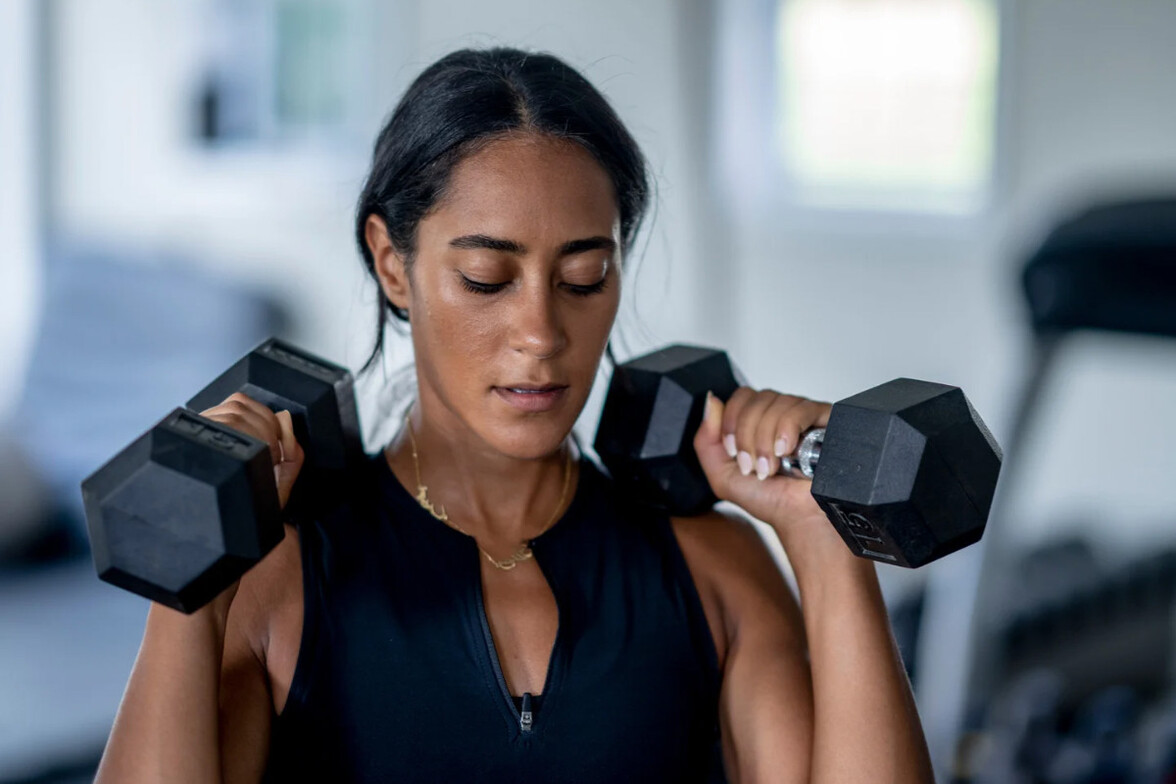
You don’t need to overhaul your workouts, just adjust the intensity and recovery to fit this new phase. Swap some HIIT sessions for functional strength or Zone 2 cardio (moderate, sustainable heart rate training). Keep strength training as a cornerstone because it’s one of the most powerful ways to protect bones, metabolism, and mood. Add mobility and flexibility work (like Pilates or stretching) to balance strength with recovery.
If You’re Starting Fresh
It’s never too late. Muscle is protective at every age; for your bones, balance, and energy. Begin with short, gentle sessions that leave you feeling better afterward, not exhausted. Try a local class, beginner Pilates, or short strength videos online. Look for a trainer or YouTube coach your age who models sustainable fitness. Choose someone who feels relatable, not extreme. Listen to your body’s signals, and increase gradually. Progress is still possible, many women get in the best shape of their lives during menopause because they finally train with self-awareness, not burnout. Acupuncture fits right alongside this by improving recovery, circulation, and sleep so you can move with consistency and joy again.
A few guiding ideas:
- Move daily, even briefly. Short walks and stretching sessions keep energy circulating.
- Strength train often and gently. Use form and breath to guide effort instead of chasing exhaustion.
- Don’t skip recovery days. Muscles need extra time to rebuild during hormonal shifts.
- Pair movement with acupuncture. It supports circulation, mood balance, and better sleep-the foundation of sustainable energy.
The Takeaway
Menopause isn’t the end of vitality- it’s a chance to redefine it. Movement builds physical and emotional strength, while acupuncture supports the systems that keep that strength steady. With the rhythm of training, rest, and recovery, this stage can become one of the most balanced, powerful, and confident chapters of your life.

Katrena Haney
Contact Me