You can spend the whole night in bed and still feel like you never rested. You wake up exhausted. Real sleep, isn’t about the hours it’s about what your nervous system does during them.
Sedation pushes the body into stillness. True rest restores it.
In my clinic, I often hear people say, “I’m sleeping, but I don’t feel rested.” That’s usually a sign that the body’s rhythm is off. It’s lying down, but it hasn’t shifted into the deep, slow-wave state where healing happens. This is the stage when the glymphatic system (similar to the lymphatic system and sometimes called the brain’s cleansing network) becomes active, flushing out cellular waste and resetting the nervous system for the next day. It’s also when the body releases growth and recovery hormones, rebuilds tissue, and restores energy reserves.
Why More Sleep Isn't Always the Answer
The nervous system helps regulate when and how we move between sleep stages. When it stays on alert, the body can’t fully drop into that deep, restorative phase. This can happen even if you’re asleep for hours.
You may recognize this pattern:
- You fall asleep easily but wake up at 2 or 3 a.m.
- You toss and turn, wake up before the alarm, or feel tense and fatigued in the morning.
- Your HRV stays low, and your sleep tracker says “light sleep” dominates the night.
This isn’t a lack of effort or even sound bedtime rituals; it’s a nervous system that’s forgotten how to power down.
How Acupuncture Helps You Rest, Not Just Sleep
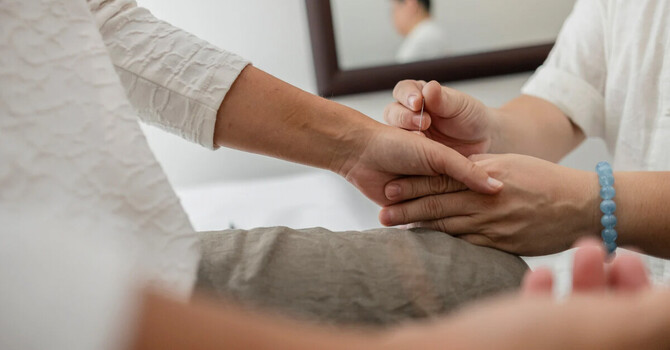
Acupuncture helps regulate the parasympathetic nervous system, the part responsible for rest, digestion, and recovery. Each treatment signals the body to switch gears, lowering heart rate and calming stress chemistry so true rest can happen.
Over time, patients notice:
- Falling asleep faster
- Fewer night wakings
- More dreams and deeper rest
- Morning energy that feels steady, not groggy
Even tech is catching on. Oura and other trackers often show higher HRV and longer deep-sleep phases after acupuncture sessions. It’s measurable proof that the body’s rhythm is recalibrating.
Daily Rhythms That Support Restful Sleep
You can reinforce that same calm at home with small habits:
- Keep a 30-minute wind-down ritual. Dim lights, lower volume, and switch from screens to paper or calm music.
- Avoid late-night multitasking. The brain can’t rest if it’s still problem-solving.
- Add slow movement. Evening stretches or a walk after dinner signal the body that the day is closing.
- Eat enough protein during the day. It stabilizes blood sugar, which can be a key reason some people wake at 3 a.m.
- Reserve your bed for rest. When it becomes a workspace or TV zone, the brain forgets its cue.
Takeaway
You don’t need more hours of sleep. You need more quality. Acupuncture helps the body relearn how to rest, not just sleep, and that change shows up in how you feel every morning.

Katrena Haney
Contact Me